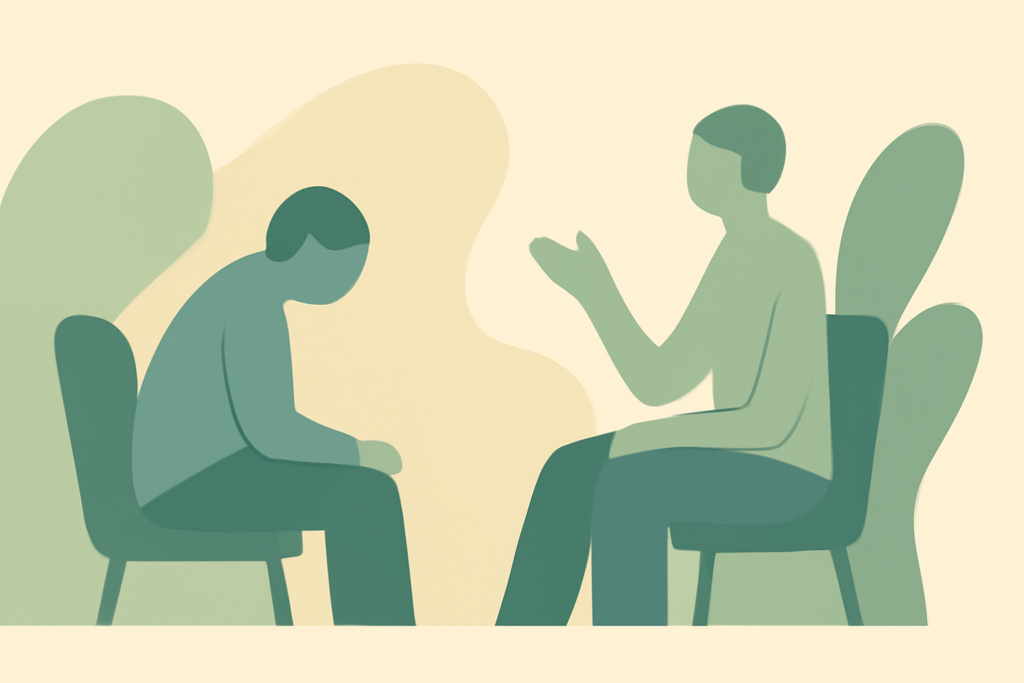
If you’re trying to figure out where to start with anxiety treatment, it helps to know that counseling and medical treatment aren’t competing options. They work in different ways, on different parts of the problem, and a lot of people find that combining them makes more sense than picking just one.
Still, the two get blurred together often enough that it’s worth slowing down and looking at what each one actually involves.
What counseling is doing
Counseling, sometimes called talk therapy, is a structured conversation with a trained professional aimed at understanding and changing patterns in how you think, feel, and respond to things. For anxiety, this often means learning to notice unhelpful thought patterns, practicing new ways of responding to triggers, and building skills you can use between sessions.
One common approach is cognitive behavioral therapy, often shortened to CBT, which focuses on the links between thoughts, feelings, and behavior. A therapist might help you test out whether a feared outcome is as likely as it feels, or gradually practice situations you’ve been avoiding. Progress tends to happen gradually, through repetition and practice, rather than all at once.
Counseling also gives you a place to talk through what’s going on in your life that might be feeding the anxiety: a stressful job, a relationship, a loss, a big transition. Medication doesn’t really touch that part. A good first conversation with a therapist can also just feel like relief, simply from being heard. If you’re wondering what that first appointment is like, this piece on what to expect at your first therapy appointment walks through it.
What medical treatment is doing
Medical treatment usually means working with a doctor or psychiatric provider on medication, and sometimes other medical approaches, that affect how your body and brain respond to stress. Anxiety has physical components: a racing heart, tense muscles, a mind that won’t slow down. Medication can ease some of those physical signals, which can make it easier to function day to day and, often, easier to engage in therapy too.
It’s worth being clear-eyed about what medication can and can’t do. It doesn’t erase the underlying patterns of thought or the life circumstances contributing to anxiety. It can lower the volume on symptoms enough that other things, including counseling, become more workable. This article on what medication for anxiety can and can’t do goes into more detail on that distinction.
Why they often work better together
Think of it like this: if anxiety has you in a state where your body is constantly on alert, medication can help turn that alert level down. Therapy can then use that calmer baseline to help you build new patterns of thinking and responding. Neither one replaces the other; they tend to support different pieces of the same puzzle.
That said, not everyone needs both. Some people find therapy alone gives them what they need. Others find medication alone is enough to feel like themselves again. And some people try one, find it’s not quite right, and adjust from there. There’s no single correct combination, only the one that fits your particular situation.
Questions worth sitting with
Before starting either path, or deciding whether to add the other, it can help to ask yourself some basic questions: How much is anxiety affecting daily functioning right now? Is it mostly about specific situations, or does it feel more constant and generalized? Would talking something through regularly be useful, or does the physical intensity of anxiety feel like the bigger barrier?
These questions don’t have tidy answers, but thinking them through, maybe even writing them down, can make conversations with a provider more productive. This list of questions worth asking before starting a new anxiety treatment covers a lot of the same ground in more detail.
Bringing it to a provider
You don’t have to walk in already knowing whether you want therapy, medication, or both. Part of a provider’s job is helping you sort that out based on your symptoms, history, and preferences. What helps most is being honest about what you’re experiencing, even the parts that feel hard to put into words.
If you’ve never had this kind of conversation before, this guide on talking to your doctor about anxiety for the first time might make the first step feel less daunting.
There’s no prize for choosing the “right” treatment on the first try. Treatment for anxiety tends to be a process of noticing what helps, adjusting what doesn’t, and giving yourself room to change course. Counseling and medical treatment are two tools in that process, not a test you can fail.